
Rolling Reserves Explained: How They Work and How to Reduce Them

Cash flow is the lifeblood of any growing business. Yet for thousands of e-commerce brands, subscription platforms, and high-risk merchants, opening a merchant statement often reveals a jarring surprise: tens of thousands of dollars withheld under a line item marked “Merchant Reserve.”
Few merchant agreement terms cause as much financial friction as a rolling reserve. When payment processors ring-fence a percentage of daily gross processing volume, your available working capital contracts instantly. Inventory purchasing stalls, ad spend gets throttled, and operational payroll comes under pressure.
Whether you are launching a fast-scaling brand or navigating high-risk merchant processing for the first time, mastering reserve mechanics is critical. This comprehensive guide breaks down how rolling reserves function, compares them to alternative reserve structures, outlines the exact operational triggers that cause them, and provides a field-tested playbook on how to lower processor reserve percentages and secure the release of your held funds.
What Is a Rolling Reserve in Payment Processing?
To understand how to eliminate or reduce reserve requirements, you must first understand the fundamental question: what is a rolling reserve payment processing mechanism, and why do acquiring banks demand it?
                  THE 180-DAY ROLLING RESERVE CYCLE

  Day 1: $10,000 Volume Processed
  ┌───────────────────────────────────────────────────────────┐
  │  $9,000 Settled to Merchant   │ $1,000 (10%) Held Reserve │
  └───────────────────────────────┴─────────────┬─────────────┘
                                                │
                                    HELD IN ESCROW FOR 180 DAYS
                                    (Buffer for chargebacks/refunds)
                                                │
                                                ▼
  Day 181: Cash Released
  ┌───────────────────────────────────────────────────────────┐
  │  $1,000 Principal Released + Day 181 Net Settled Volume   │
  └───────────────────────────────────────────────────────────┘
A rolling reserve is a risk-mitigation tool used by payment processors, acquiring banks, and merchant service providers (MSPs). Under a rolling reserve agreement, the processor holds back a predetermined percentage of the merchant’s daily gross sales volume (typically 5% to 15%) in a non-interest-bearing escrow account for a fixed duration (most commonly 90 to 180 days).
Once the holding period expires, the retained funds from that specific day are released back to the merchant’s operating bank account on a continuous, "rolling" basis provided no excessive chargebacks, fraud claims, or scheme fines have depleted the pool.
The Acquirer’s Perspective: Why Do Processors Hold Reserves?
Payment processors do not retain reserves out of malice; they do it because credit card processing is essentially an unsecured line of credit.
When a consumer swipes or inputs their card online, the card networks (Visa, Mastercard, American Express, Discover) grant consumers up to 120 days (and in certain dispute conditions up to 540 days) from the transaction or expected delivery date to initiate a chargeback. If a merchant collapses, files for bankruptcy, commits fraud, or experiences an insurmountable surge in customer disputes:
The merchant’s bank account is debited to cover the refunds and chargebacks.
If the merchant’s bank account has insufficient funds, the payment processor (acquirer) is legally and financially liable to reimburse the card-issuing bank.
To protect their balance sheet against catastrophic merchant default, processors enforce rolling reserves as an escrow cushion.
Rolling Reserve vs Capped Reserve vs Up-Front Reserve: Key Differences
Not all processor reserves follow a rolling framework. When negotiating your merchant processing agreement (MPA), processors select from three primary reserve architectures. Understanding the distinction between rolling reserve vs capped reserve structures can mean the difference between preserving working capital and facing severe liquidity shortages.
Feature | Rolling Reserve | Capped Reserve (Fixed Reserve) | Up-Front Reserve |
Mechanic | A fixed percentage of daily volume withheld for a set duration (e.g., 10% for 180 days). | A percentage withheld daily until a maximum total dollar cap is achieved (e.g., 10% until $100k is reached). | A lump-sum deposit required before payment processing is enabled. |
Cash Flow Impact | Continuous, ongoing withholding. Can escalate indefinitely as processing volume scales. | Withholding ceases entirely once the dollar threshold is reached. Highly predictable. | Heavy initial capital barrier; zero subsequent daily settlement deductions. |
Release Timing | Funds cycle out daily after the holding term (e.g., Day 1 releases on Day 181). | Retained in full until account termination plus an additional run-off period (usually 180 days post-closure). | Retained in full until contract expiration or renegotiation post-risk review. |
Best Suited For | High-growth e-commerce, long fulfillment lags, and seasonal businesses. | Stable, established high-risk merchants with consistent, predictable monthly volume. | Well-capitalized enterprise merchants seeking to avoid ongoing settlement cuts. |
The Capped Reserve Advantage
A capped reserve (often called an accrual reserve) sets a maximum financial ceiling. For instance, an underwriter might dictate: "10% of gross sales withheld until the reserve balance reaches $75,000."
For a company processing $250,000 monthly, the processor will withhold $25,000 monthly for three months. By month four, the $75,000 target is satisfied. From that point forward, 100% of daily credit card sales settle directly to the merchant, restoring standard operational cash flow.
The Rolling Reserve Compounding Challenge
Conversely, a rolling reserve has no static monetary ceiling. If your business grows from $100,000 per month to $1,000,000 per month under a 10%, 180-day rolling reserve, your locked reserve balance expands from $60,000 to $600,000. Because the hold scales directly alongside top-line revenue, high-growth merchants often find rolling reserves far more punishing than capped reserves.
Anatomy of a Standard 180-Day, 10% Rolling Reserve Schedule
To visualize how a rolling reserve impacts day-to-day liquidity, let’s examine the mathematical timeline of a merchant generating $100,000 per month ($3,333.33 per day) under standard contract parameters: 10% withhold rate, 180-day release cycle.
                   180-DAY ACCRUAL & RELEASE CASH CYCLE

  Month 1–6 (Days 1–180): The Withholding Phase
  Monthly Gross Volume:   $100,000
  Net Settled (90%):      $90,000/mo
  Held in Escrow (10%):   $10,000/mo
  ─────────────────────────────────────────────────────────────
  Cumulative Locked Cash by Day 180: $60,000 Total Escrow Balance

  Month 7+ (Day 181 Onward): The Rolling Release Phase
  Daily Gross Sales:      $3,333.33
  New Daily Hold (10%):   -$333.33
  Day 1 Release (+10%):   +$333.33 (From 180 days prior)
  ─────────────────────────────────────────────────────────────
  Net Daily Settlement:   $3,333.33 (100% effective daily flow restored)
The Cash Flow Squeeze (Months 1 Through 6)
During the initial 180 days, your business operates on an effective 90% settlement yield (minus interchange and processing fees). You must fund 100% of your Cost of Goods Sold (COGS), payroll, customer acquisition costs (CAC), and overhead while 10% of gross top-line receipts remain unreachable.
Day 30: $10,000 trapped in reserve.
Day 90: $30,000 trapped in reserve.
Day 180: $60,000 cumulative trapped capital.
The Rolling Equilibrium (Month 7 and Beyond)
On Day 181, the rolling release begins:
The processor holds 10% of Day 181 sales ($333.33).
Concurrently, the processor releases the 10% withheld from Day 1 ($333.33).
On Day 182, Day 2’s funds are released; on Day 183, Day 3’s funds return, and so forth.
Assuming sales remain flat, your daily settlement returns to 100% of volume. However, that baseline $60,000 never returns to your operating account during active processing it remains permanently locked as an ongoing float until you close the merchant account or successfully negotiate a release.
Primary Triggers: Why Processors Mandate Rolling Reserves
Underwriting algorithms and credit committees do not assign reserves arbitrarily. Underwriters evaluate systemic risk, merchant solvency, and consumer fulfillment dynamics. The three primary triggers that cause processors to impose or escalate a rolling reserve include:
1. Delivery Lag and Extended Fulfillment Windows
The time interval between customer payment authorization and product delivery is the single greatest determinant of processor exposure.
Immediate Delivery (Low Risk): Retail brick-and-mortar or digital downloads where the product is received instantaneously. If the customer is dissatisfied, the issue surfaces rapidly.
Extended Delivery (High Risk): Custom manufacturing, pre-orders, drop shipping originating overseas, annual event ticketing, and high-ticket furniture taking 3 to 8 weeks for final fulfillment.
If a merchant collects $500,000 in pre-orders for delivery four months later and encounters supply chain collapse, hundreds of customers will file chargebacks simultaneously. Because the product was never delivered, the processor cannot win those disputes. A 180-day rolling reserve ensures that cash remains on hand to absorb that potential fallout.
2. High or Volatile Chargeback and Refund Rates
Payment processors are bound by card network monitoring programs. Visa’s Visa Dispute Monitoring Program (VDMP) and Mastercard’s Dispute and Fraud Monitoring System (DFMS) establish strict performance thresholds:
Standard Alert Threshold: 0.65% chargeback-to-transaction ratio and 75 disputes per month.
Excessive Dispute Threshold: 0.90% to 1.0% chargeback-to-transaction ratio and 100 disputes per month.
When a merchant approaches a 1% chargeback ratio or exhibits an aggregate refund rate exceeding 10% to 15%, acquiring banks initiate defensive measures. Imposing a rolling reserve
or stepping up an existing reserve from 5% to 15% is the processor’s primary defense against network fines, which can reach $25,000 to $50,000 per month for non-compliant merchant accounts.
3. Rapid Revenue Spikes and Unplanned Volume Surges
In traditional consumer retail, doubling revenue month-over-month is an achievement. In payment processing underwriting, unannounced hyper-growth is viewed as an acute risk event.
When a merchant account approved for $50,000 per month suddenly processes $250,000 in week two due to a viral social media campaign, underwriting systems trigger automated fraud flags. Uncapped scale introduces major fulfillment hazards:
Can your customer service handle a 500% spike in inquiries?
Does your supplier possess the manufacturing capacity to ship orders on time?
Is the sudden spike driven by synthetic card testing or stolen payment credentials?
If processing volume drastically outpaces the monthly processing volume (MPV) approved during underwriting, processors routinely freeze settlement or slap an emergency 10% to 20% rolling reserve across all excess volume.
How to Lower Processor Reserve Percentages and Negotiate Reductions
Many business owners treat merchant reserve terms as immutable conditions set in stone. In reality, reserve parameters are negotiable financial covenants.
After establishing a demonstrable track record of low dispute rates, clean operational logistics, and balance-sheet solvency, you can systematically petition your acquirer for reserve reductions, conversions to capped reserves, or full phase-outs.
              RESERVE NEGOTIATION ROADMAP (6–12 MONTHS)

  Months 1–5: Operational Hardening
  ├── Maintain chargeback ratio strictly below 0.5%
  ├── Integrate Ethoca / Verifi dispute pre-arbitration alerts
  └── Stabilize average delivery window to < 5 business days

  Month 6: The Formal Review Submission
  ├── Compile Underwriting Dossier (P&L, balance sheet, fulfillment logs)
  └── Submit structured Merchant Reserve Review Request

  Months 7–12: Structured Phase-Down
  ├── Milestone 1: Drop hold from 10% to 5%
  ├── Milestone 2: Convert rolling terms to capped reserve structure
  └── Milestone 3: Eliminate daily withholdings; transition to monitoring
1. Build a 6-to-12 Month "Immaculate" Processing Track Record
Processors rarely adjust terms prior to six continuous months of transaction history. During this audition window, your key operational targets must include:
Dispute Ratio Stability: Maintain a strict chargeback-to-sales ratio below 0.5% (calculated as count of chargebacks divided by count of settled transactions, not dollar volume).
Fulfillment Traceability: Ensure 100% of orders utilize tracked shipping carriers with automated, API-level tracking notifications transmitted to the customer and recorded in your CRM.
Low Refund-to-Sales Ratio: Keep aggregate refund volume under 5%, proving product quality and marketing alignment.
2. Implement Real-Time Fraud and Pre-Arbitration Alert Systems
To persuade an acquirer to lower your reserve, show them that potential disputes are intercepted before they ever touch the card brand settlement rails. Integrate:
Verifi CDRN (Cardholder Dispute Resolution Network): Sends real-time notifications of consumer disputes from participating card issuers, giving you up to 72 hours to issue a manual refund before the dispute registers as a chargeback.
Ethoca Alerts: Operates across major global banks to notify you of confirmed fraudulent transactions instantly, allowing you to stop shipment and cancel the order immediately.
Network Inquiry Management (Verifi Order Insight & Ethoca Consumer Clarity): Pushes rich order details (IP address, tracking number, itemized receipt) into the consumer's mobile banking app, instantly neutralizing "friendly fraud" disputes born from customer confusion.
Presenting these integrations to an underwriter provides verifiable evidence that your future chargeback risk is structurally suppressed.
3. Package a Professional Underwriting Review Dossier
Do not simply send an informal email asking, "Can you remove my reserve?" Treat this as a formal commercial loan presentation. Submit a complete underwriting package containing:
Current Year-to-Date Financial Statements: Profit and loss statement, balance sheet, and a cash-flow statement showing positive net operating income and healthy working capital reserves.
Third-Party Fulfillment Performance Reports: Data extracts from your 3PL, warehouse management system, or ERP detailing average order-to-delivery speed, on-time delivery rates (ideally 98%+), and open order backlogs.
Historical Dispute Analytics: 6-to-12-month processing statements demonstrating an uninterrupted chargeback ratio below 0.5%.
Supply Chain Agreements: Written capacity guarantees or letters of intent from your primary manufacturers proving stability during scale.
4. Propose a Structured, Multi-Tiered Step-Down Agreement
Underwriters resist binary "all-or-nothing" decisions. Rather than asking for complete reserve elimination on day one, give them a phased risk-reduction schedule:
Tier 1 (Month 6): Lower the reserve percentage from 10% down to 5%, maintaining the 180-day holding window.
Tier 2 (Month 9): Compress the holding duration from 180 days down to 90 days, keeping the 5% rate.
Tier 3 (Month 12): Convert the remaining rolling balance into a capped reserve (e.g., locking the balance at $50,000 and halting further daily settlement withholdings).
Final Tier (Month 18): Full phase-out of daily withholding, replacing the reserve with enhanced real-time fraud monitoring tools.
Step-by-Step Guide to Merchant Reserve Account Release
What happens to your funds when you terminate a merchant account, transition to a new payment processor, or successfully conclude a reserve term? Navigating a merchant reserve account release requires strict adherence to contractual terms and card scheme liability periods.
            POST-TERMINATION RESERVE RELEASE TIMELINE

  Day 0: Account Closed / Processing Ceased
  ┌────────────────────────────────────────────────────────────┐
  │ Processing halted; Processor retains active reserve escrow.│
  └─────────────────────────────┬──────────────────────────────┘
                                │
                                │ 120–180 Days Run-Off Period
                                │ (Card scheme dispute window)
                                ▼
  Day 90: Mid-Term Reconciliation
  ┌────────────────────────────────────────────────────────────┐
  │ Chargeback influx assessment; initial audit completed.     │
  └─────────────────────────────┬──────────────────────────────┘
                                │
                                │ Final dispute rights expire
                                ▼
  Day 180: Final Account Audit & Fund Release
  ┌────────────────────────────────────────────────────────────┐
  │ Outstanding chargebacks deducted. Remaining principal      │
  │ wired via ACH to merchant's registered settlement account. │
  └────────────────────────────────────────────────────────────┘
Step 1: Audit the Governing Merchant Processing Agreement (MPA)
Locate the original MPA executed with your processor and jump directly to the sections labeled "Reserve Account," "Security Interest," or "Termination and Run-Off." Pay close attention to:
The specified run-off duration (typically 120, 180, or 270 days post-termination).
The allowable deductions processors may take from the reserve pool (dispute fees, processing fee adjustments, legal retainers).
Any formal notification procedures required to trigger fund liquidation.
Step 2: Establish a Dispute Containment Strategy During Run-Off
When you switch processing accounts, your old merchant ID (MID) stops generating fresh transaction volume. Because your denominator is now zero, even a handful of delayed chargebacks can make your historical chargeback ratio appear artificially high.
Keep your customer service channels, email ticketing systems, and refund lines open for at least six months following account closure. Fulfilling return requests and preempting disputes out-of-pocket prevents the processor from debiting the locked reserve fund.
Step 3: Issue a Formal Certified Request for Reserve Liquidation
As the final day of the contractual run-off period nears (e.g., Day 150 of a 180-day run-off window), issue a formal request for reconciliation via certified mail and registered digital correspondence. Include:
Processing Company Name and MID (Merchant Identification Number).
Date of final processed transaction.
Total reserve balance shown on the final processing statement.
Verified ACH routing and account information for receipt of final balance.
A written request for an itemized accounting ledger detailing any dispute fees or chargebacks assessed against the escrow balance during the holding window.
Strategies to Maintain Working Capital While Funds Are Held in Escrow
A 10% daily settlement hold can severely constrain balance-sheet liquidity. To protect your enterprise from insolvency while waiting out rolling reserve cycles, implement these targeted cash flow management tactics:
1. Diversify Across Multi-MID Processing Architectures
Relying exclusively on a single payment processor or one merchant account exposes your enterprise to operational risk. If that provider doubles your reserve percentage overnight, your operational liquidity collapses.
Deploy a load-balanced, multi-MID processing infrastructure using payment orchestration platforms (such as Spreedly, IXOPay, or Corepay). Routing transactions across two to three acquiring banks yields several key advantages:
Risk Spreading: If one acquirer enforces a 10% rolling reserve, you can route a higher proportion of clean, low-risk volume through a secondary processor operating with a capped reserve or no reserve.
Volume Threshold Management: You can carefully pace volume across accounts to avoid triggering the automated hyper-growth alerts that lead to abrupt reserve holds.
Competitive Leverage: Having active, operational processing relationships puts you in a position of strength when negotiating pricing and reserve reductions.
2. Secure Non-Dilutive Working Capital and Revenue-Based Financing
If a rolling reserve has locked away critical working capital, turn to alternative capital structures to bridge the gap without diluting your equity:
Revenue-Based Financing (RBF): Providers like Wayflyer, Clearco, or Pipe advance capital against your recurring revenue or historical card receipts. Because funding reconciles as a modest percentage of daily sales, it directly complements the cash flow cycle of an e-commerce business.
Asset-Based Lending (ABL): Secure an asset-based revolving credit facility collateralized by current inventory, receivables, or verified purchase orders.
Supplier Payment Term Extensions: Present your processing statements to core manufacturers. Demonstrating that your capital is reliably held in escrow—rather than lost to operational deficits—can help you negotiate Net 45 or Net 60 payment terms, effectively using vendor credit to offset your processor's withholding window.
3. Incentivize Zero-Reserve Alternative Payment Methods (APMs)
Every dollar processed outside the traditional credit card rails is a dollar settled without rolling reserve deductions. Actively shift your checkout mix toward alternative payment methods:
          CHECKOUT CONVERSION & SETTLEMENT COMPARISON

  Credit Card Rails (10% Rolling Reserve):
  $100.00 Cart ──► Processing: -$2.90 ──► Escrow Hold: -$10.00 ──► Day 1 Net: $87.10

  Direct Bank Pay / ACH / Real-Time Rails:
  $100.00 Cart ──► Processing: -$0.80 ──► Escrow Hold:  $0.00  ──► Day 1 Net: $99.20
  ─────────────────────────────────────────────────────────────────────────────────
  Liquidity Optimization: +$12.10 instant available capital per $100 processed
Pay-by-Bank / ACH / Open Banking: Direct bank transfers (facilitated by networks like Plaid or Trustly) carry near-zero chargeback risk and settle directly, completely bypassing merchant reserve holds.
Buy Now, Pay Later (BNPL): Services like Klarna, Afterpay, and Affirm absorb the consumer credit and fraud risk entirely. The BNPL provider settles the full purchase amount to you upfront (typically within 24 to 48 hours, minus processing fees), completely insulated from your acquirer's rolling reserve rules.
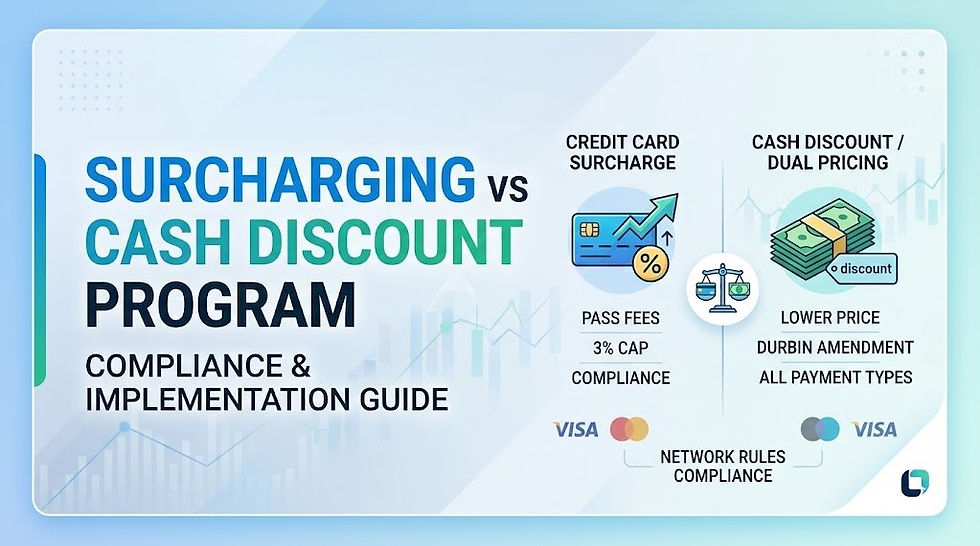
Checkout Surcharging and Discounts: Provide customers a 3% to 5% instant discount for checking out with ACH, wire transfers, or direct bank rails. The cost of funding that consumer discount is often significantly lower than the financing drag of having 10% of gross volume trapped in reserve for half a year.
The Path to Long-Term Processing Stability
A rolling reserve can feel like a financial penalty, but it is ultimately a manageable operational reality of modern, high-growth commerce. By understanding how acquirers calculate credit exposure, designing your business to systematically avoid reserve triggers, and deploying automated fraud defenses, you can systematically reclaim control of your settlement capital.
Maintain meticulous customer fulfillment records, aggressively protect your chargeback ratio, diversify your payment stack across multi-MID architectures, and approach your payment processors with verified data when negotiating terms. In high-risk payment processing, clean processing data is your strongest asset and the fastest way to turn locked escrow reserves back into liquid growth capital.
Stop Letting Payment Processors Strangle Your Cash Flow
Trapped under a punishing 10% rolling reserve or facing sudden merchant account freezes? You don’t have to accept restrictive processing terms as the cost of doing business.
Our high-risk payment specialists conduct full processing audits to help you:
Package underwriting dossiers that secure lower reserve tiers or capped limits.
Deploy dispute-mitigation tools (Verifi, Ethoca) to push chargebacks below 0.5%.
Structure multi-MID setups to unlock immediate liquidity and eliminate single points of failure.
No commitment required. We’ll analyze your current processing statements within 24 hours.
Frequently Asked Questions (FAQ)
What is the primary difference between a rolling reserve and a capped reserve?
A rolling reserve holds a set percentage of daily sales for a specific timeframe (e.g., 10% for 180 days) on an ongoing basis, scaling upward indefinitely as your gross volume grows. A capped reserve holds funds only until a predetermined, static dollar ceiling is reached (e.g., 10% until $50,000 total balance is attained). Once achieved, daily withholding stops completely, making capped reserves far better for working capital predictability.
Can a payment processor hold my reserve indefinitely?
No. Under standard merchant agreements and card network operating regulations, processors cannot retain reserves permanently. They are legally obligated to release held funds once the contractual run-off period (commonly 180 days, matching maximum consumer chargeback filing windows) expires, minus any documented chargebacks, scheme assessments, or dispute fees.
How quickly can I realistically get a rolling reserve reduced or phased out?
Most payment processors and acquiring banks require at least six consecutive months of clean processing history before re-evaluating risk terms. If your business maintains a chargeback ratio below 0.5%, resolves refunds quickly, and shows consistent, predictable volume during that window, you can typically begin a phased reserve step-down.
Do alternative payment methods (APMs) like Buy Now, Pay Later (BNPL) have rolling reserves?
Generally, no. BNPL platforms (such as Klarna or Affirm) and direct bank payment rails (like ACH or Open Banking) assume underwriting and consumer credit risk separately. In most integration models, the provider settles the full transaction amount directly to the merchant upfront within 24 to 72 hours, helping you diversify away from credit card reserve requirements.


Comments